
Ethnic Design Patterns Around the World: A Journey Through Rich Cultural Tapestries

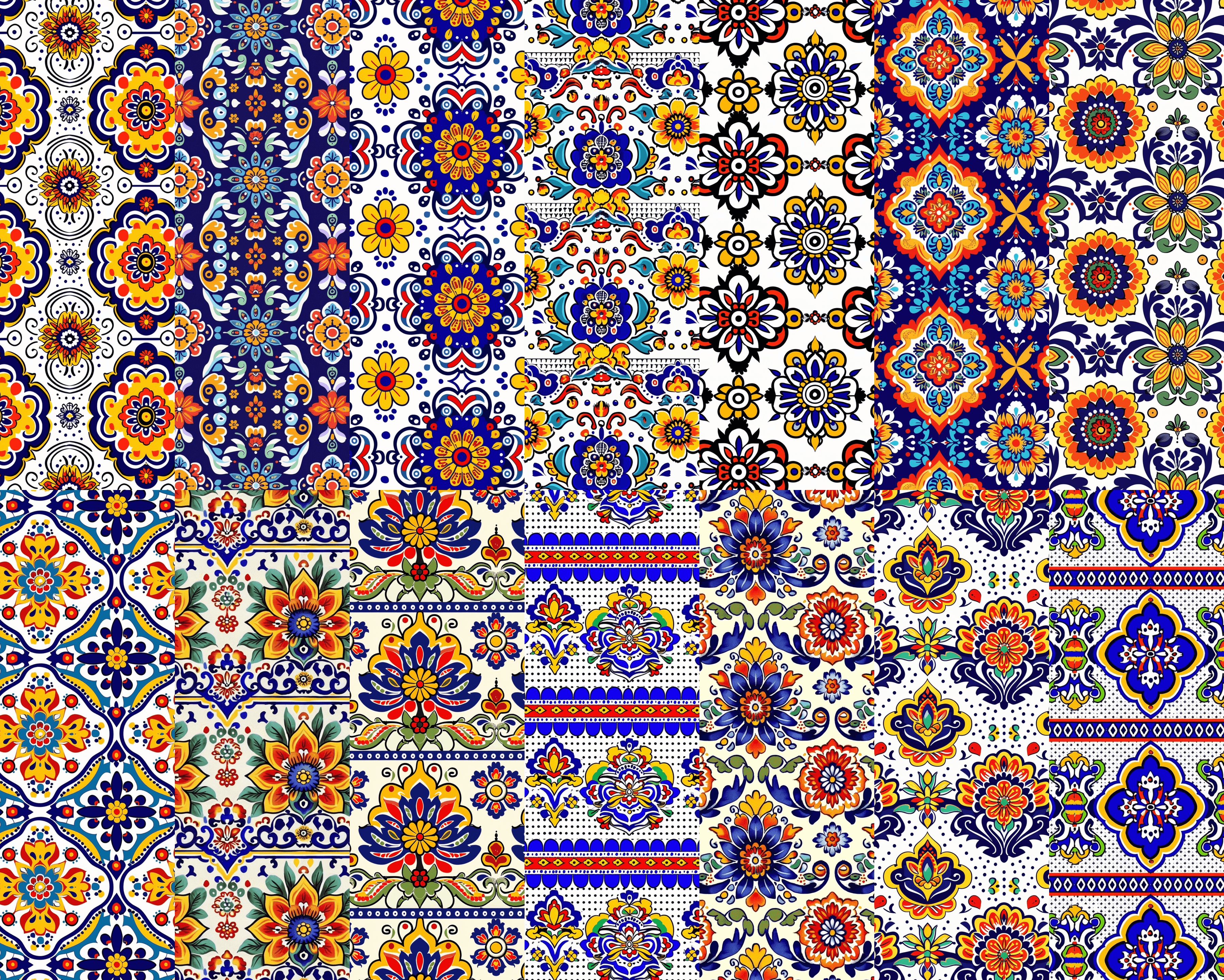
Ethnic Design Patterns: A Professional Insight for Designers
Ethnic design patterns are far more than visual embellishments; they encapsulate a culture’s history, philosophy, and traditions. 🌍✨🎨 These designs, with their vibrant geometries and intricate florals, are rich sources of inspiration for modern designers seeking authenticity and depth. This guide explores some of the world’s most iconic ethnic patterns, uncovering their origins and significance, and offering ideas for contemporary adaptation.
1. Middle Eastern Geometry
Middle Eastern design is synonymous with intricate geometric patterns. 🌀🕌🌟 These designs often feature interlocking shapes, tessellations, and star motifs, rooted in Islamic art. The symmetry and repetition reflect a deep spiritual philosophy, symbolizing infinity and divine order.
Applications: Use these timeless geometries in architecture, textiles, and modern branding to evoke sophistication and harmony.
Examples: The Alhambra’s iconic mosaics in Spain and the Sheikh Lotfollah Mosque in Iran exemplify this art form’s enduring appeal.
2. African Tribal Motifs
African patterns are bold and deeply symbolic. 🌍🖤🎭 Geometric shapes like triangles, zigzags, and diamonds are central, often representing proverbs, values, and heritage. Adinkra symbols from Ghana, for example, communicate wisdom and philosophy.
Applications: Ideal for bold fashion, packaging, and interior design, these patterns add a touch of cultural authenticity.
Examples: Kente cloth and carved tribal masks are iconic representations of Africa’s design legacy.
3. Asian Floral and Nature Motifs
Asian designs often draw inspiration from nature, emphasizing harmony and seasonal cycles. 🌸🌏🍃 Chinese motifs like the lotus symbolize purity, while Japanese patterns, such as sakura blossoms and seigaiha waves, reflect balance and longevity.
Applications: These patterns translate beautifully into luxury branding, textiles, and product design, where elegance is key.
Examples: Traditional kimonos and porcelain artwork are exemplary sources of inspiration.
4. Indian Intricacies
India’s rich design tradition is a tapestry of paisleys, mandalas, and intricate floral patterns. 🌀🎨🇮🇳 Mandalas symbolize the universe and are widely used in meditative and spiritual contexts, while paisley (ambi) is globally recognized for its versatility.
Applications: Perfect for intricate invitations, elaborate textile designs, and holistic wellness branding.
Examples: Sari designs and henna art showcase the depth of Indian artistry.
5. Native American Symbolism
Native American patterns are deeply spiritual, often featuring zigzags, arrows, and animal symbols like eagles and wolves. 🪶🦅🌟 These designs convey themes of power, guidance, and natural harmony.
Applications: Use these motifs in sustainable fashion, eco-conscious packaging, or storytelling-focused design projects.
Examples: Beadwork and pottery provide tangible insights into this cultural heritage.
6. European Folk Art
European folk patterns, such as Scandinavian rosemaling and Eastern European embroidery, are rooted in heritage and nature. 🌻🇪🇺🎉 These designs combine floral and geometric motifs in vibrant yet harmonious compositions.
Applications: Adapt these patterns for seasonal designs, home decor, or products emphasizing tradition and quality.
Examples: Ukrainian embroidery and Hungarian motifs are classic sources of inspiration.
Preserving and Adapting Ethnic Patterns
Ethnic patterns are not merely decorative; they are cultural artifacts. ✨🌟📜 Designers must approach them with respect, understanding their origins and the stories they convey. By supporting artisans, studying traditional techniques, and incorporating these patterns thoughtfully, designers can ensure these traditions thrive in the modern world.
Ethnic design patterns offer an unparalleled depth of inspiration for contemporary creators. 🌍🎨🗺️ By understanding their history and significance, designers can craft works that are not only visually stunning but also rich in cultural meaning. Use these patterns to add authenticity, depth, and timeless appeal to your designs.